
HOW TO CREATE HIGHLY EFFECTIVE CASE STUDY VIDEOS
A case study video is essentially a customer success story brought to life through video.
Instead of simply telling people your business is good at what it does, case studies allow potential customers to see real experiences, hear directly from actual clients, and understand how your product or service works in practice.
At their best, customer case study videos show three things clearly:
the problem a customer was facing
how that problem was solved
and what changed afterwards
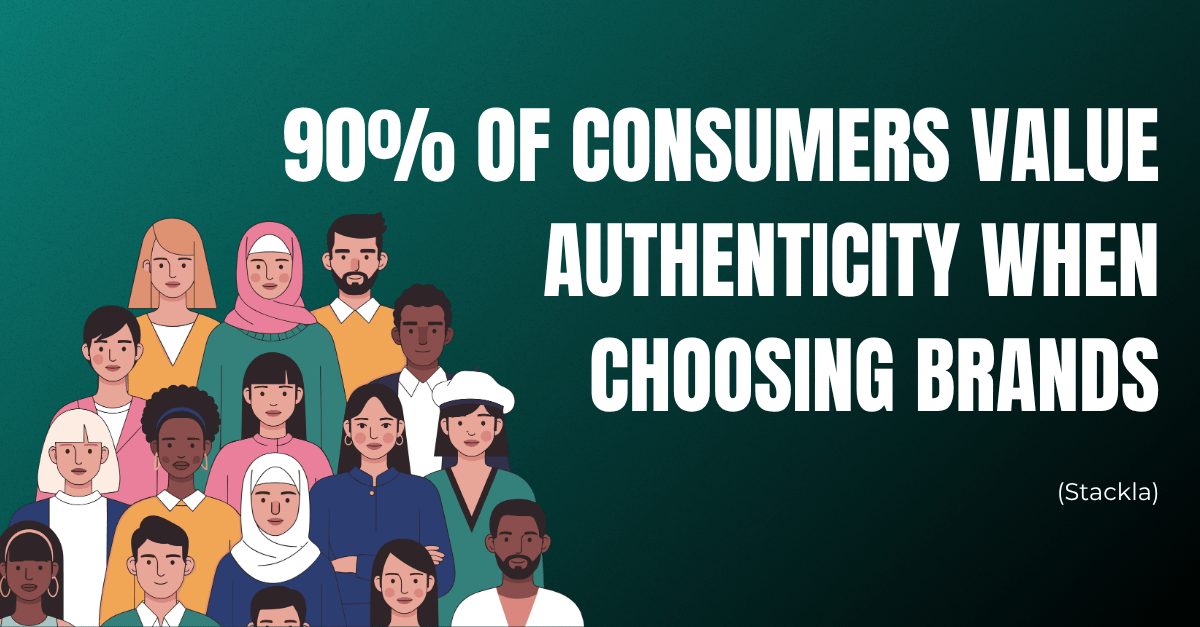
Case study videos work because viewers trust real customers more than polished ads. With 90% of consumers valuing authenticity, customer-led content outperforms across websites, social, and funnels.
Yet many case studies fail: they’re scripted, business-focused, or vague about the challenge, process, or outcome. The best ones avoid this. They make viewers think, “That’s exactly our situation,” and that relatability drives their power.
Whether you’re looking to create video testimonials for a hospitality, corporate, public sector, SaaS or charity business, the general principles still remain the same.
This blog explains what makes case study videos effective, common production mistakes, and how to craft authentic, engaging, and persuasive customer stories.
A GOOD CASE STUDY VIDEO IS ABOUT THE CUSTOMER, NOT THE BUSINESS
This is probably the single biggest mistake businesses make when creating case study videos.
A lot of companies, especially corporate, approach case study video production as though it’s another promotional advert. The focus immediately shifts toward the business itself, its services, achievements, branding, messaging, or expertise.
But the reality is that viewers usually care about the customer story first.
Potential clients are trying to identify themselves within the situation they’re watching. They want to recognise similar frustrations, similar operational problems, similar goals, or similar challenges to the ones they’re currently facing themselves.
That’s what makes customer case study videos psychologically powerful. They create relatability.
The strongest case study videos tend to position the customer as the central character within the story, while the business becomes more of a guide or problem solver within that journey.
Instead of feeling like they’re being directly sold to, viewers feel like they’re learning from someone else’s experience and drawing conclusions naturally themselves. That creates significantly more trust and engagement than overly sales-heavy messaging usually does.
A strong customer case study video usually explores questions like:
What problem existed before the solution?
What frustrations or limitations did that create?
Why did the customer start looking for help?
What made them choose this business?
What changed after implementation?
What measurable or emotional outcomes came afterwards?
The more specific and relatable those answers feel, the stronger the case study usually becomes.
A vague “they were great to work with” rarely carries much weight on its own.
But hearing a real customer explain how a service improved efficiency, solved a longstanding problem, reduced stress internally, or directly impacted growth immediately feels more tangible and believable.
THE BEST CASE STUDY VIDEOS FOLLOW A CLEAR STORY STRUCTURE
One of the biggest reasons customer case study videos fail is because they don’t really tell a story.
Instead, they often become a loose collection of interview clips, generic praise, cinematic footage, and company messaging that never quite connect together properly.
The most effective case study videos usually follow a much clearer narrative structure.
And importantly, that structure mirrors how people naturally process buying decisions.
Before people care about the solution, they need to understand the problem first.
That means a strong case study video should usually guide viewers through a clear progression:
The Challenge
What issue was the customer facing before they sought help?
The Impact
How was that problem affecting the business, team, or wider operation?
The Search for a Solution
Why did they decide they needed external support or a different approach?
The Experience
What was it actually like working with the business?
The Outcome
What changed afterwards?
The Long-Term Result
What measurable or ongoing improvements came from it?
This structure matters because outcomes only feel meaningful when viewers understand the context behind them.
For example:
“We increased leads by 40%.”
…sounds positive.
But:
“We were struggling to generate consistent enquiries for months, and within three months of implementing the new strategy, leads increased by 40%.”
Feels far more impactful because the audience understands the before-and-after transformation properly.
That transformation is usually the core of a strong case study video.
Without it, the content often just feels like a collection of compliments rather than a genuinely persuasive customer story.
AUTHENTICITY MATTERS MORE THAN PERFECT DELIVERY
A lot of businesses become nervous about putting customers on camera.
There’s often a temptation to heavily script contributors beforehand, feed them exact wording, or try to make every answer sound polished and corporate.
Ironically, that usually makes the content feel less trustworthy.
Audiences are extremely good at spotting when interview answers don’t feel natural. Over-rehearsed delivery, corporate jargon, and robotic phrasing often create distance rather than credibility.
The best customer case study videos usually feel conversational.
That doesn’t mean interviews should feel messy or unstructured, but people connect far more with communication that sounds believable and human than they do with perfectly rehearsed messaging.
In fact, 72% of customers say they’d rather learn about a product or service through video (Wyzowl), largely because video feels more personal, engaging, and authentic than traditional written marketing.
A good interviewer plays a huge role here.
Strong interview-led case study video production is less about forcing contributors to deliver perfect lines and more about creating a relaxed environment where genuine experiences naturally come through.
Quite often, the best moments happen in the unscripted responses:
the slight pause before someone explains a genuine frustration
the natural excitement when talking about results
the unexpected detail that wasn’t originally planned
Those moments usually build far more trust than perfectly polished delivery ever could.
And importantly, audiences don’t expect customers to sound like actors.
They just want them to sound real.

GOOD INTERVIEW QUESTIONS MAKE A HUGE DIFFERENCE
The quality of a customer case study video is often determined long before the editing stage even begins.
It starts with the questions being asked.
Weak interview questions almost always create weak answers.
Good case study interviews should feel more like conversations than interrogations. The goal is to uncover genuine experiences and useful insights that future customers will actually care about.
Specificity is incredibly important here too.
Viewers tend to trust detailed experiences far more than vague positive statements. Real examples, measurable improvements, operational changes, or emotional impacts all help make the story feel more believable and persuasive.
This is also why preparation matters so much in case study video production.
Understanding the customer beforehand, researching the project properly, and planning interview direction early often makes the final video significantly stronger.

THINKING ABOUT MAKING A CASE STUDY?
If you’re thinking about creating a customer case study video, or you want to improve the way your business communicates real results and client experiences, let’s have a chat.
Whether you already have a clear idea in mind or you’re still figuring out the best approach, we can help shape the story, plan the filming, and create case study video content that feels natural, engaging, and genuinely useful.
No overcomplicated process and no overly corporate sales messaging, just a straightforward conversation about what you’re trying to communicate and how video can help bring that story to life.
Contact us here.
Or learn more about our video production services here!