
WHAT MAKES A GOOD CORPORATE VIDEO (AND COMMON MISTAKES TO AVOID)
Corporate video production has never been more accessible.
Almost every business now has the ability to create video content, whether that’s through internal teams, freelancers, agencies, or simply a smartphone and decent lighting. But despite that, a huge amount of corporate video content still falls flat.
Not because the cameras were bad.
Not because the editing wasn’t polished enough.
And usually not because the business itself had nothing valuable to say.
Most corporate videos fail much earlier than that.
In this blog, we’ll look at what tends to make corporate video content actually work, along with some of the most common mistakes businesses make when approaching corporate video production…
A good corporate video starts with a clear purpose
One of the biggest mistakes businesses make is starting with the format instead of the objective.
“We need a corporate video” sounds straightforward, but corporate video production covers a huge range of content (all of which you can view on our portfolio page!). Recruitment videos, internal communications, training content, company overviews, case studies, and brand films all sit under the same umbrella, but they all require different approaches.
The best corporate videos usually begin with a much simpler question:
What does this actually need to achieve?
Sometimes the goal is building trust. Sometimes it’s helping potential clients understand a service faster (read more about how to do this effectively in our blog on product explainer videos).
Sometimes it’s improving onboarding or reducing the amount of repeated information teams communicate internally.
Without that clarity, videos often end up trying to do everything at once, which usually means they don’t do any one thing particularly well.
Common mistake 1: Trying to say everything at once
This is probably where most corporate video content starts to fall apart.
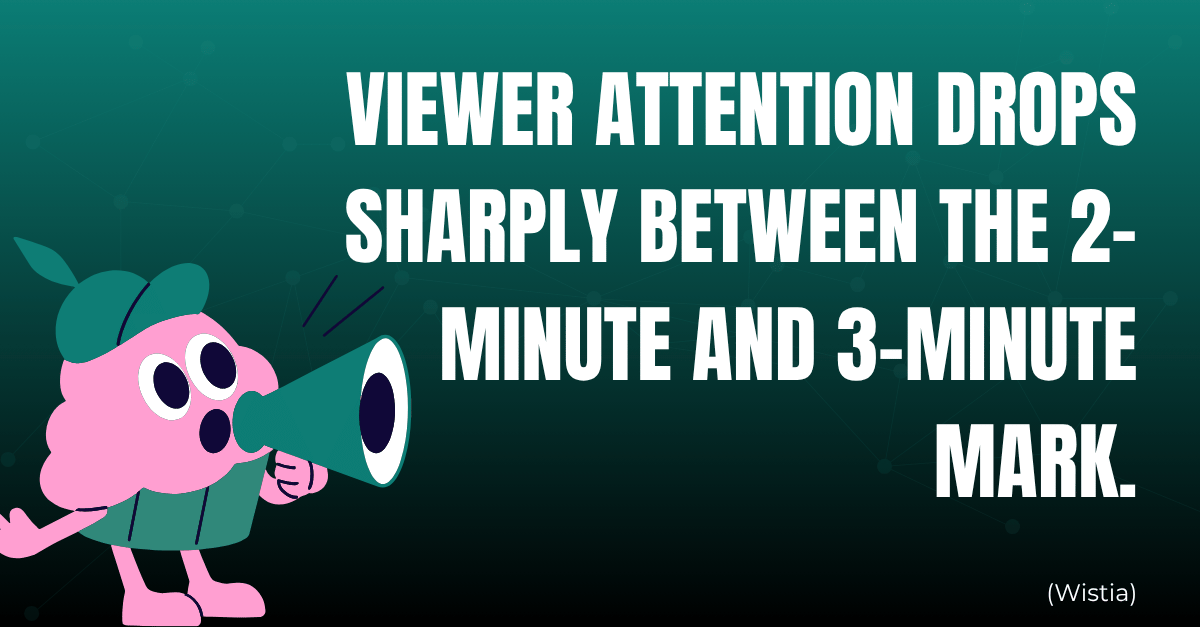
Businesses naturally want to include everything. Every service, every department, every achievement, every company value, and every important stakeholder opinion suddenly feels essential. The problem is that the more information you force into a video, the harder it becomes for people to actually take anything meaningful away from it.
Good corporate video content works differently.
The strongest videos tend to focus on one clear message and build around that. Instead of trying to explain absolutely everything, they prioritise the information that matters most to the audience watching it.
Ironically, saying less often makes the message much clearer and far more memorable.
The best corporate videos feel human
A lot of businesses still fall into the trap of trying to sound overly corporate, and audiences usually notice immediately.
Over-scripted interviews, forced delivery, and formal language often create distance rather than trust. People are much better at spotting unnatural messaging than businesses tend to realise, especially when everyone on camera sounds like they’re reading from the same script.
That doesn’t mean corporate video production should feel unprofessional. It simply means people connect more with communication that feels believable.
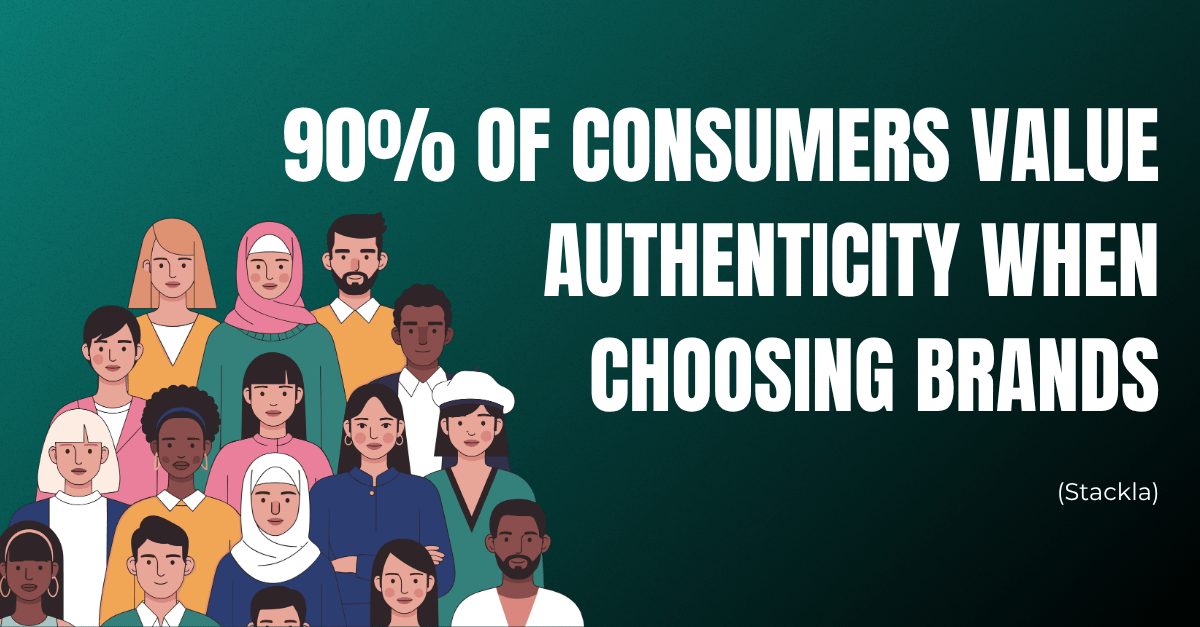
Showing real people, genuine expertise, authentic conversations, and actual projects usually builds far more trust than polished corporate jargon ever will. This becomes even more important in industries where credibility matters, because people want to understand who they’re working with, not just hear rehearsed marketing statements.
Quite often, the videos that perform best are the ones that feel the most natural.
Quality and resolution matter, but story matters more
High production quality absolutely helps.
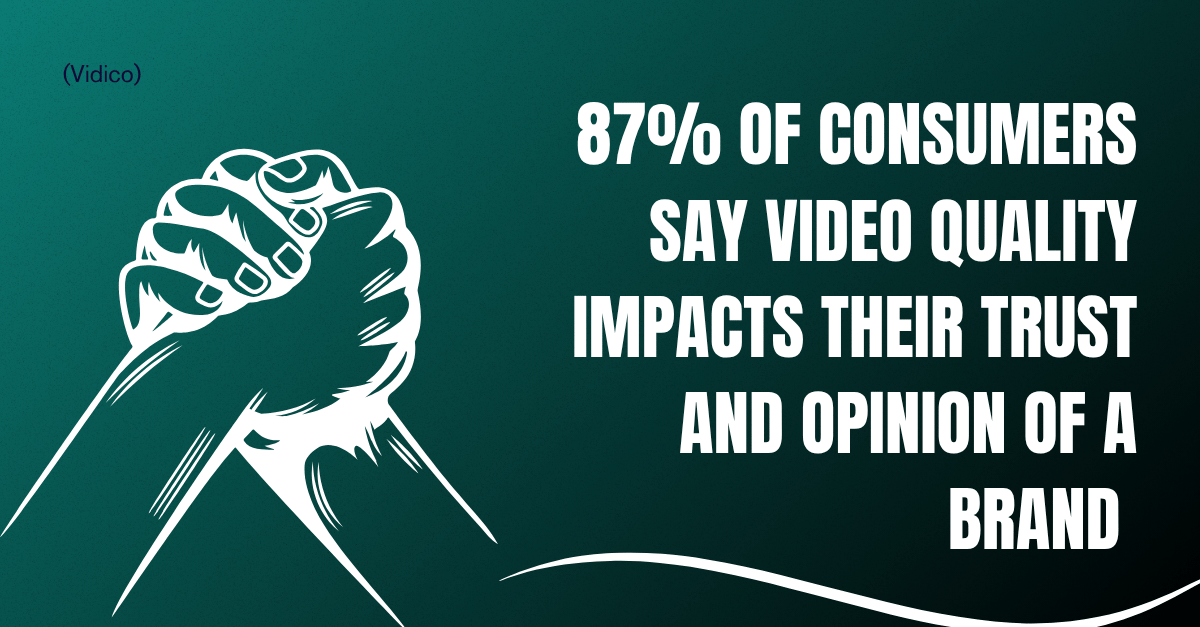
Good lighting, strong audio, thoughtful editing, and clean visuals all influence how a business is perceived. Poor-quality video can damage credibility quickly, particularly when the content is representing your business publicly.
But production quality alone doesn’t make a video effective.
A beautifully shot corporate video that leaves people confused is still weak communication. The businesses getting the best results from corporate video production are usually the ones focusing on clarity first. Is the message easy to follow? Does the audience understand the value quickly? Is the next step obvious?
Production quality should support the communication, not distract from it.

Common mistake 2: Forgetting how and where the video will be used
Another common issue is creating a video without properly considering where it’s going to live afterwards.
Corporate video content often ends up being used across websites, LinkedIn, recruitment pages, sales presentations, internal platforms, and email campaigns. The problem is that people interact differently with content depending on where they’re seeing it.
Someone scrolling LinkedIn behaves very differently from someone actively exploring your website. Internal communications content has very different priorities compared to a promotional brand film.
The most effective corporate video strategies usually plan for this upfront. One well-structured shoot can often create multiple pieces of content for different departments, audiences, and platforms, rather than relying on a single catch-all video.
That’s where a lot of the long-term value comes from.

Corporate animated video production can also help simplify complex ideas
Not every corporate video needs to rely entirely on interviews and live-action footage.
In many cases, corporate animated video production can make information much easier to understand, particularly when explaining technical services, workflows, data, or more abstract concepts. Animation and motion graphics help guide attention visually, breaking complicated information down into something more structured and digestible for the viewer.
This is especially useful for businesses operating in industries where services can feel difficult to visualise or overly jargon-heavy. Rather than relying on long explanations, animated visuals can help communicate key ideas far more clearly and keep audiences engaged for longer.
Animation can also be used alongside live-action footage to reinforce branding, highlight important information, improve pacing, or add extra context without overwhelming the viewer.
Like any part of corporate video production, though, it works best when there’s a clear reason for using it. The goal should always be improving communication, not adding complexity for the sake of visuals.
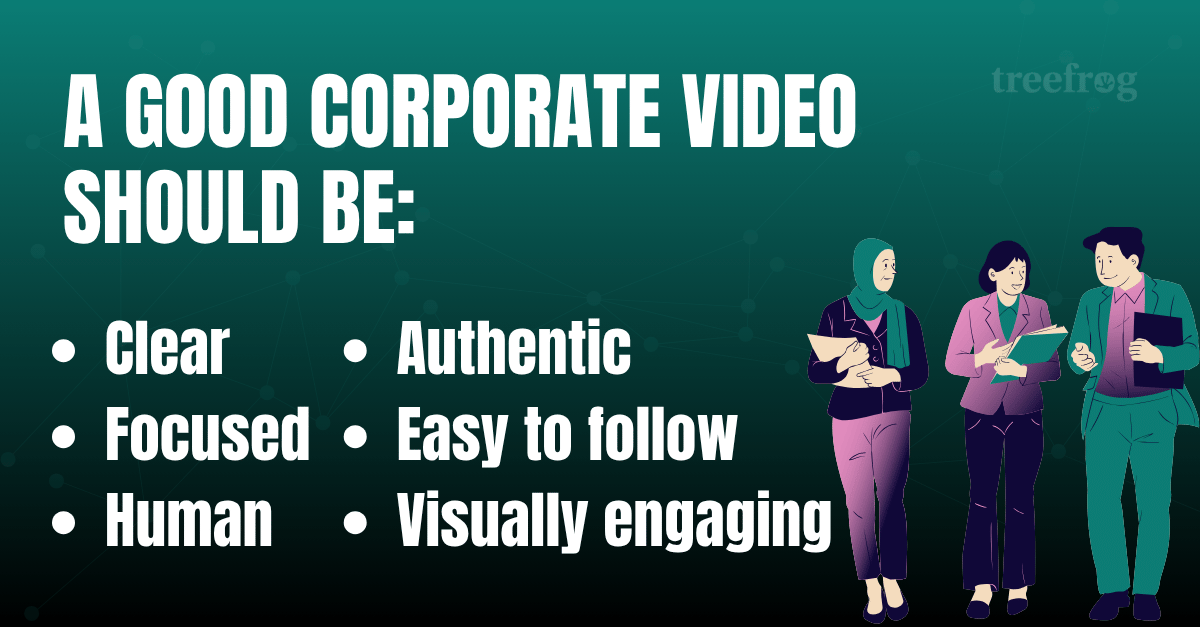
What actually makes a good corporate video?
In most cases, it comes down to a few fairly simple things, but they’re also the things businesses most commonly overlook.
Good corporate videos usually start with a clear objective. Before filming even begins, there needs to be a proper understanding of what the video is actually trying to achieve. Is it there to build trust? Support recruitment? Explain a service more clearly? Improve internal communication? The clearer the objective, the easier it becomes to shape everything else around it.
From there, messaging becomes incredibly important.
The strongest corporate videos tend to focus on one clear idea rather than trying to communicate everything at once. Businesses often underestimate how quickly audiences lose focus when too much information is forced into a single piece of content. A concise, well-structured message will almost always outperform a broad, overloaded one.
Understanding the audience matters just as much.
A video aimed at potential clients should feel very different from internal training content or recruitment material. The best corporate video production takes into account not just what the business wants to say, but what the audience actually needs to understand. That difference is often what separates effective communication from forgettable content.
The delivery matters too.
People connect far more with communication that feels natural, believable, and human than they do with overly polished corporate jargon. Over-scripted interviews and formal language can quickly create distance, whereas genuine expertise, real conversations, and authentic insight tend to build trust much faster.
Visual quality still absolutely plays a role. Good lighting, audio, editing, animation, and overall production value all contribute to how professional and credible a business appears. But visuals should support the communication, not overpower it. A beautifully shot video that leaves people confused still isn’t doing its job properly.
The businesses that get the most value from corporate video are usually the ones treating it as a communication tool first, rather than simply a branding exercise.
Because ultimately, people don’t engage with videos simply because they look polished.
They engage with videos that help them understand something.
And in most cases, the strongest corporate videos are the ones that make information feel clearer, simpler, and easier to connect with.
Outsource to a corporate video production agency…
If you’re thinking about creating a corporate video, or you’re struggling to make your existing content feel clear, engaging, or genuinely useful, let’s have a chat.
Whether you already know exactly what you need or you’re still figuring out the best approach, we can help you shape ideas, simplify messaging, and create content that actually works for your audience.
No overcomplicated process and no generic corporate fluff, just a straightforward conversation about what you’re trying to communicate and how video can help you do it better.
Get in touch via the form below, our the details on our contact page.