
It’s 2026. The year where all anybody wants to see is AI. Or is it?
In a time where marketing is consistently being replaced by generic AI content, audiences are calling out for something real, something authentic, something human.
And no medium is as effective at showing the people behind a business, as video marketing.
Video content quite literally puts faces and names to a business; it lets companies tell their story in a way only they can, with their own unique voice.
It’s easy to see why businesses are automating their marketing; it’s quicker, it's often cheaper, and their competitors are doing it, but many businesses in 2026 are starting to wonder if they’re looking at this in the wrong way.
Instead of following the crowd because it’s safer and easier, could it be an opportunity to rise above the competition and showcase the people and offerings that make the organisation unique and special?
And how can video marketing help facilitate this…
AI HAS MADE CONTENT QUICKER TO PRODUCE, BUT LESS MEMORABLE
There’s no denying that AI has changed marketing.
Businesses can now generate blog posts, social media captions, emails, website copy, graphics, and even entire campaigns in a fraction of the time they could a few years ago.
On the surface, it sounds great! But the problem is that everyone else can do exactly the same thing, and the algorithm is feeding on its own content, like it’s the Ouroboros (the snake eating its own tail).
When everybody has access to the same tools, the same prompts, and the same shortcuts, content naturally starts to look and sound very similar.
And many people (like myself) can spot it; it feels eerily familiar, it follows odd tropes like em dashes and the phrase ‘x isn’t just y, it’s z’. Consumers and scrollers are already starting to tire of the endless stream of "thought leadership" content that somehow says a lot while saying very little at all.
So that begs the question: if every business now has the ability to produce reams of content at the click of a finger, how can anyone stand out?
The challenge has simply shifted from creating content to creating memorable content.
Part of the reason for that is that audiences are becoming increasingly aware of AI-generated content.
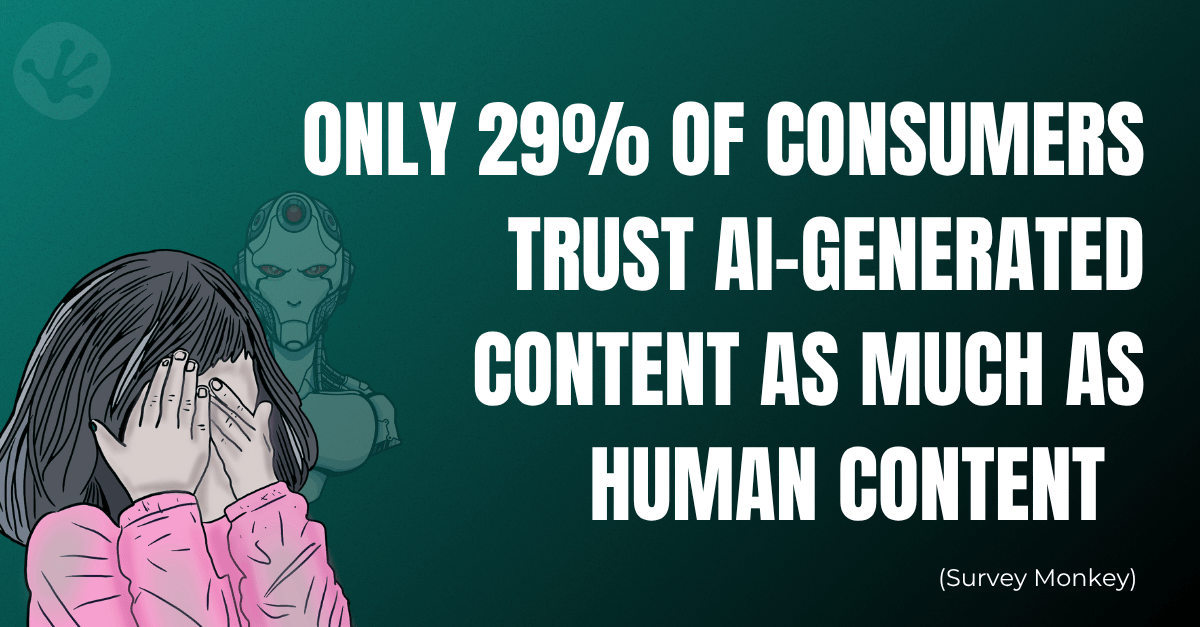
Research from SurveyMonkey found that only 29% of consumers trust AI-generated content as much as content created by humans.
While AI can undoubtedly help businesses work more efficiently, it doesn't automatically create trust, and trust is often what marketing is really trying to build.
And that's where video really shines, because even though LLMs and AI tools can create their own video content, none can replicate your team, your customers, your expertise, your culture, or your story.
PEOPLE TRUST PEOPLE
Technology can change many things, but human psychology still remains the same.
People still trust people.
Whether you're selling software, professional services, engineering solutions, hospitality experiences, or charity initiatives, buying decisions are still influenced by trust.
Potential customers want reassurance.
They want to know who they're dealing with.
They want to understand the people behind the brand.
And they want evidence that a business genuinely understands the challenges they're facing.
Video helps bridge that gap far faster than most other forms of content.
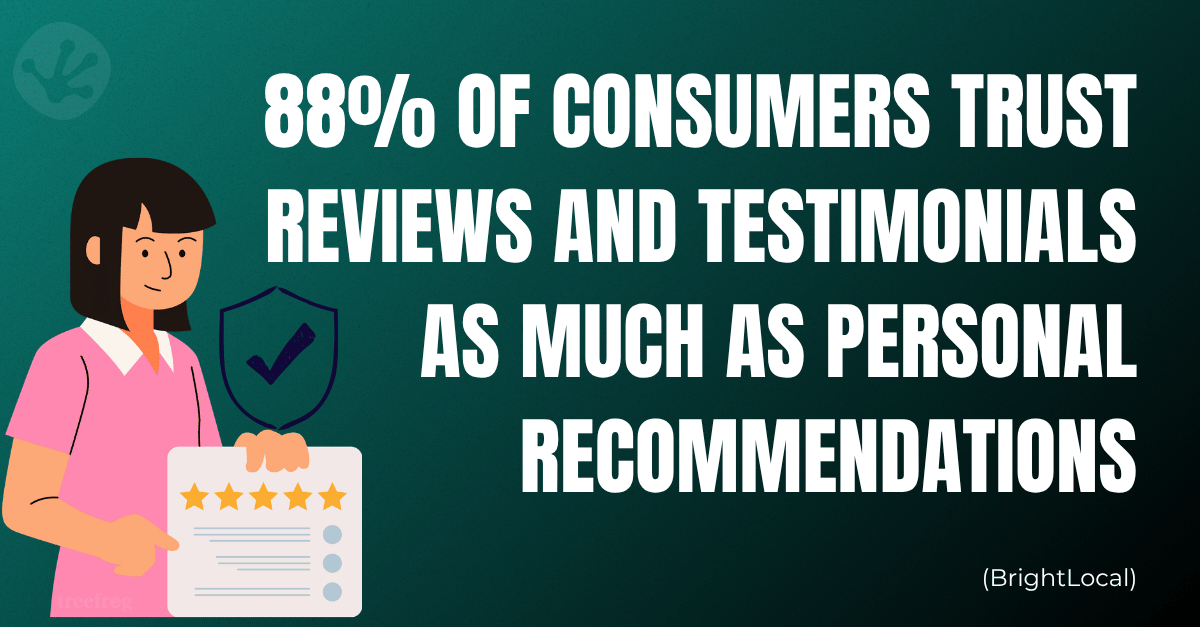
In fact, BrightLocal research found that 88% of consumers trust reviews, case studies, and testimonials as much as personal recommendations. That's a powerful reminder that people often place more trust in the experiences of others than they do in direct marketing messages from businesses themselves.
A well-produced video allows audiences to hear how people speak, see how they work, understand how they think, and get a feel for what it's actually like to work with them.
That level of connection is difficult to achieve through text alone, and even harder through the voice of a robot.
BUSINESSES ARE REALISING THAT PEOPLE ARE THEIR MOST INDIVIDUAL ASSET
Businesses spend years trying to find their spot in the market and identify their ISPs and what makes them unique.
A lot of companies look to differentiate themselves through products, services, pricing, or features.
But quite often competitors offer remarkably similar things.
The real difference often comes down to the people delivering the service.
The experience.
The expertise.
The values.
The culture.
The way problems are approached.
These are the things that are difficult for competitors to copy.
And they're exactly the things that video showcases best.
A website can tell people you're experienced.
A video can show them.
A brochure can explain your culture.
A video can bring it to life.
A case study can describe customer results.
A video can let the customer tell the story themselves.
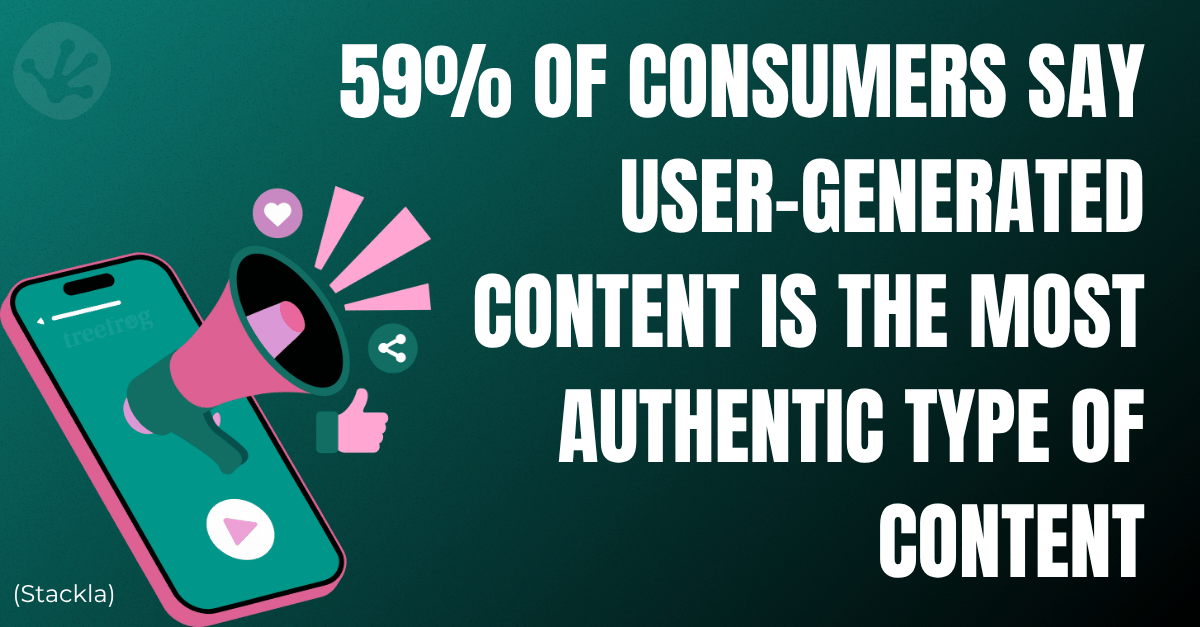
Consumers seem to agree. Research from Stackla found that 59% of people consider user-generated content to be the most authentic form of content available. Whether that's customers sharing experiences, employees discussing their expertise, or businesses showing the reality of how they operate, audiences increasingly value genuine human perspectives over polished marketing claims.
Increasingly, businesses are recognising that the human side of their organisation is often their strongest competitive advantage.
VIDEO CREATES A LEVEL OF TRANSPARENCY THAT AUDIENCES VALUE
Modern audiences are incredibly good at spotting marketing.
Now more than ever, it’s ingrained in daily life, whether on socials, physical print, or products themselves.
And because of their frequency, they're also increasingly sceptical of it.
It’s not necessarily because businesses are less trustworthy. It's because consumers have become far more exposed to advertising than ever before.
Video cuts through some of that scepticism with the only thing that can: trust and transparency.
When businesses show real people, real environments, real customers, and real conversations, audiences gain a clearer picture of who they're engaging with.
That transparency builds confidence.
It reduces uncertainty.
And in many cases, it accelerates the decision to really listen to what you’re saying, and sometimes buy what you’re selling.
VIDEO CONTENT WORKS ACROSS THE ENTIRE CUSTOMER JOURNEY
Done well, a video is nice marketing content. Done great, it’s a versatile evergreen marketing asset.
Another reason businesses are investing more heavily in video production.
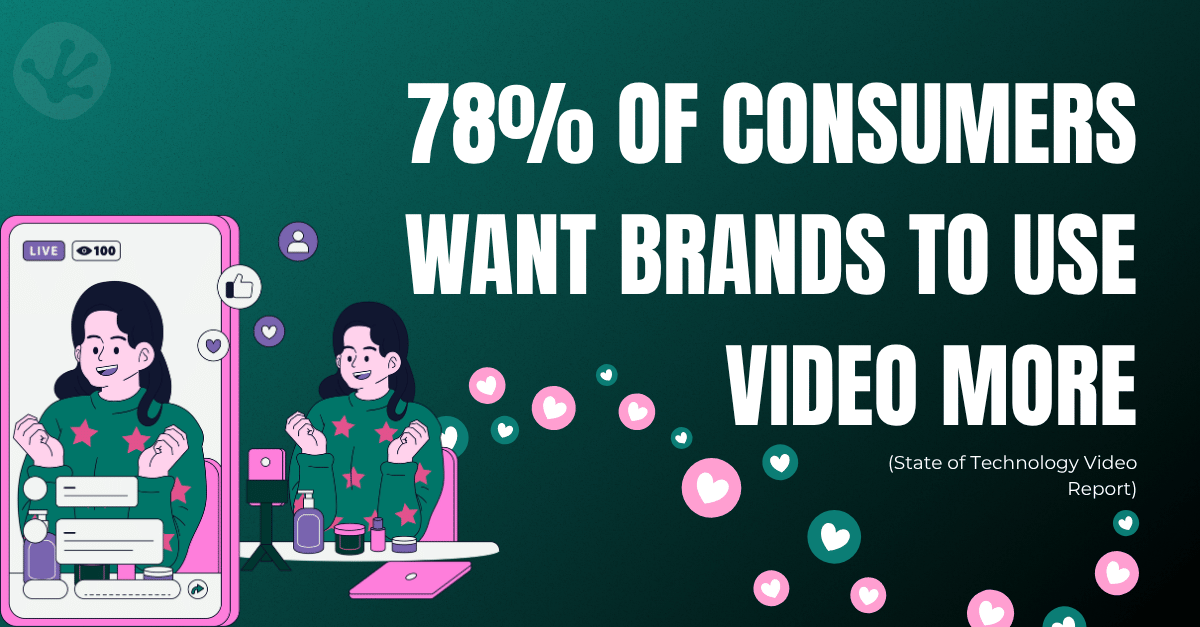
Consumer demand is helping drive that investment too. According to the State of Video Technology Report, 78% of consumers want brands to use video more often. As audiences continue to favour visual, accessible, and human-centred content, businesses are increasingly recognising that video can support almost every stage of the customer journey.
A single video can often support multiple areas of a business simultaneously:
It can introduce the company on a website.
Support sales conversations.
Strengthen social media activity.
Improve recruitment.
Assist with onboarding.
Provide training.
Showcase customer success stories.
Or help explain complex products and services.
Unlike many marketing assets that serve a single purpose, video often continues creating value long after it's first produced.
This makes it one of the most adaptable forms of content businesses can invest in.
THE BUSINESSES STANDING OUT IN 2026 AREN'T SHOUTING THE LOUDEST
They’re not even the ones shouting the most often; in fact, it has nothing to do with the shouting.
It’s all to do with the value of their message, and what they’re really trying to say.
While much of the internet becomes increasingly saturated with AI-generated content, many successful businesses are moving in the opposite direction.
Not because technology doesn't matter.
But because human connection still matters more.
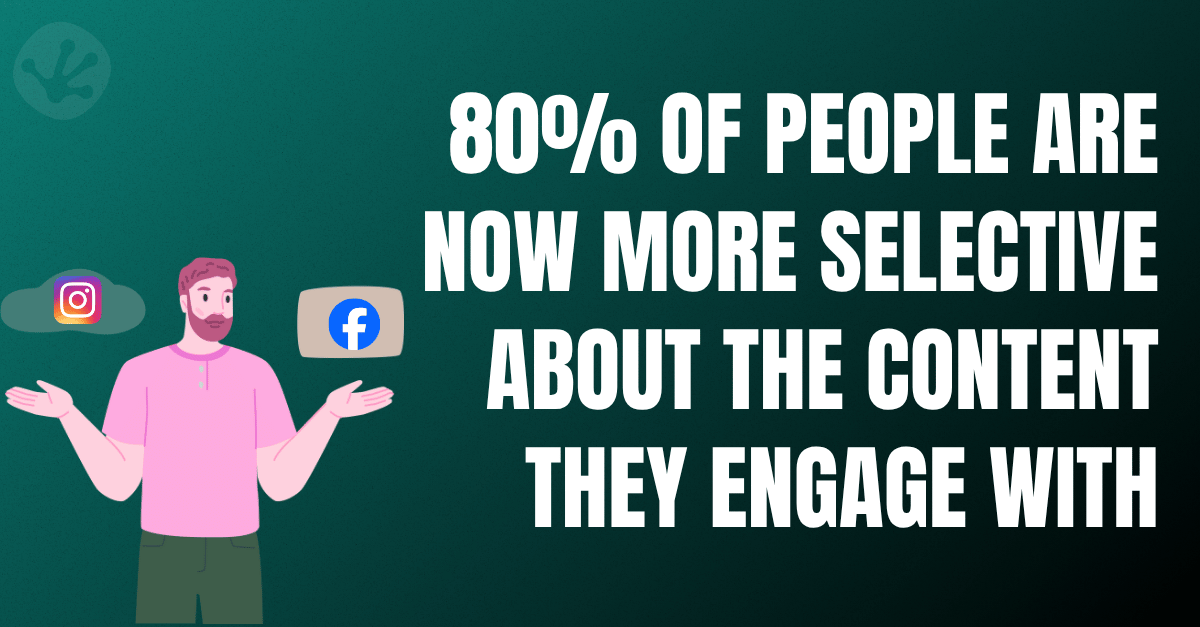
Part of the reason is that audiences themselves are becoming more selective. Research suggests that around 80% of consumers are becoming more deliberate about the content they choose to engage with. Simply producing more content is no longer enough. Businesses need to create content that feels useful, credible, and worth paying attention to.
Video production isn't becoming more popular because it's newer than some other media.
It's becoming more popular because authenticity is becoming harder to find.
And when audiences find it, they pay attention.

THINKING ABOUT VIDEO PRODUCTION FOR YOUR BUSINESS?
If you're exploring how video could support your marketing, sales, recruitment, or wider business goals, we'd love to have a conversation.
Whether you already have a clear idea in mind or you're simply curious about where video might fit into your strategy, we can help you identify opportunities and create content that feels authentic, useful, and true to your business.
Because in a world full of automated content, sometimes the most powerful thing you can do is simply show people who you are.
Contact us here.
Or learn more about our video production services here.