
For much of the financial services industry's history, communication has followed a fairly predictable format. Wealth managers produced quarterly reports, advisers distributed newsletters, investment firms published market commentary, and clients would often wait until their next review meeting to discuss performance, strategy, or concerns.
That approach worked well in a world where information moved more slowly.
But in 2026, both markets and client expectations have changed dramatically.
Today's investors can access financial news the moment it happens. Interest rate decisions, inflation figures, political developments, and global economic events are discussed instantly across digital platforms. Clients are no longer waiting three months for a quarterly report to arrive in their inbox. They want timely updates, clear explanations, and direct access to expert insight when significant events occur.
At the same time, wealth managers are facing increasing pressure to differentiate themselves in a highly competitive market. Investment products are becoming more accessible, robo-advisers continue to evolve, and clients are placing greater emphasis on the quality of advice and communication they receive rather than simply the products being recommended.
This is one of the reasons video content has become such an important tool across corporate organisations, especially the financial services sector.
What makes this particularly interesting is that video is no longer being used solely as a marketing asset. While many firms continue to use video to attract new clients, a growing number are embedding it throughout every stage of the client journey.
Advisers are recording educational content that answers common financial questions. Investment teams are producing regular market updates following major economic events. Compliance departments are using video to communicate regulatory changes internally. Leadership teams are sharing company updates with staff through recorded presentations. Even client onboarding processes are increasingly being supported through personalised video communication.
In many cases, video production is becoming less of a marketing tactic and more of a communication infrastructure.
The firms seeing the greatest success are not necessarily producing cinematic advertisements or viral social media campaigns. Instead, they are using video to make financial information easier to understand, more accessible to clients, and more efficient to distribute across their organisation.
As the industry continues to evolve, video is increasingly becoming one of the most effective ways for financial firms to communicate expertise, build trust, improve efficiency, and strengthen relationships.
So how exactly are wealth managers, financial advisers, and investment firms using video content in 2026?
MARKET UPDATE VIDEOS ARE BECOMING A CLIENT EXPECTATION
Perhaps the most significant shift within the sector has been the growing use of market update videos. Traditionally, wealth managers would communicate investment performance and economic outlooks through written reports that were distributed quarterly or semi-annually. While these reports remain valuable, many firms have discovered that clients are far more likely to engage with a concise video delivered directly by the people managing their investments.
When major events occur, whether it's a Bank of England interest rate decision, unexpected inflation figures, a government budget announcement, geopolitical instability, or significant market volatility, clients naturally want reassurance. They want to understand what has happened, why it matters, and whether their investment strategy needs to change as a result.
Video provides an effective way to deliver those answers quickly and consistently.
Rather than hundreds of clients individually contacting advisers with similar questions, investment teams can record a five or ten-minute update explaining the situation, outlining their perspective, and discussing how portfolios are positioned. This not only improves efficiency for the firm but also provides clients with timely access to expert insight at a moment when reassurance is often most valuable.
Many wealth managers are now producing quarterly investment outlook videos alongside their traditional reporting. These updates allow portfolio managers and investment committees to discuss market performance, highlight emerging opportunities, explain strategic decisions, and provide context that can often be difficult to communicate through written reports alone.
Importantly, clients are not simply hearing information. They are hearing it from the people responsible for managing their wealth. That additional level of visibility can significantly strengthen confidence and trust during uncertain periods.
At Treefrog, we work with Titan Wealth to create quarterly ‘long view’ market overview videos; see how we do it here.

FINANCIAL ADVISERS ARE USING VIDEO TO EDUCATE CLIENTS BEFORE THEY EVER MAKE CONTACT
Another area where video is having a significant impact is client education.
Financial planning often involves complex topics that can feel intimidating to individuals who are unfamiliar with industry terminology. Concepts such as pension consolidation, inheritance tax planning, investment diversification, estate planning, and retirement forecasting are incredibly important, but they are not always easy for prospective clients to understand.
As a result, many advisers are creating educational video libraries designed to answer common questions before a prospect even books an initial meeting.
Instead of relying solely on website copy or downloadable guides, firms are increasingly producing short videos that explain key financial concepts in a clear and accessible way. These videos allow advisers to demonstrate their expertise while helping prospective clients build confidence in the advice process.
This approach benefits both parties.
Prospective clients gain valuable information without feeling overwhelmed, while advisers spend less time repeating introductory explanations and more time focusing on an individual's specific circumstances during consultations.
Many firms have found that prospects who engage with educational video content beforehand often arrive at meetings better informed and with more thoughtful questions. This creates more productive conversations and helps establish trust much earlier in the relationship.
In an industry where credibility is everything, educational video has become a powerful way to demonstrate expertise rather than simply claiming it.

THOUGHT LEADERSHIP IS MOVING FROM BLOGS TO VIDEO
Financial services has never been short of expertise.
What has changed is how that expertise is being communicated.
For years, advisers and investment professionals relied heavily on written articles, whitepapers, and newsletters to share insights. While these formats remain important, video is increasingly becoming the preferred medium for delivering thought leadership content.
Many wealth managers are now publishing regular commentary on market trends, economic developments, tax changes, and investment opportunities through LinkedIn, YouTube, client portals, and email campaigns. Rather than asking audiences to read several pages of analysis, firms are presenting the same information through concise and engaging video updates.
This shift reflects broader changes in how people consume information.
Busy professionals often find it easier to watch a five-minute market briefing during their commute than read a lengthy report. Video also allows advisers to communicate nuance more effectively. Tone of voice, body language, and verbal explanation can provide additional context that written content sometimes struggles to achieve.
Perhaps most importantly, video gives audiences direct access to the people behind the expertise.
Clients are no longer reading anonymous commentary. They are hearing directly from investment directors, portfolio managers, economists, and financial planners. Over time, this visibility helps strengthen professional credibility and positions individuals as recognised voices within their sector.
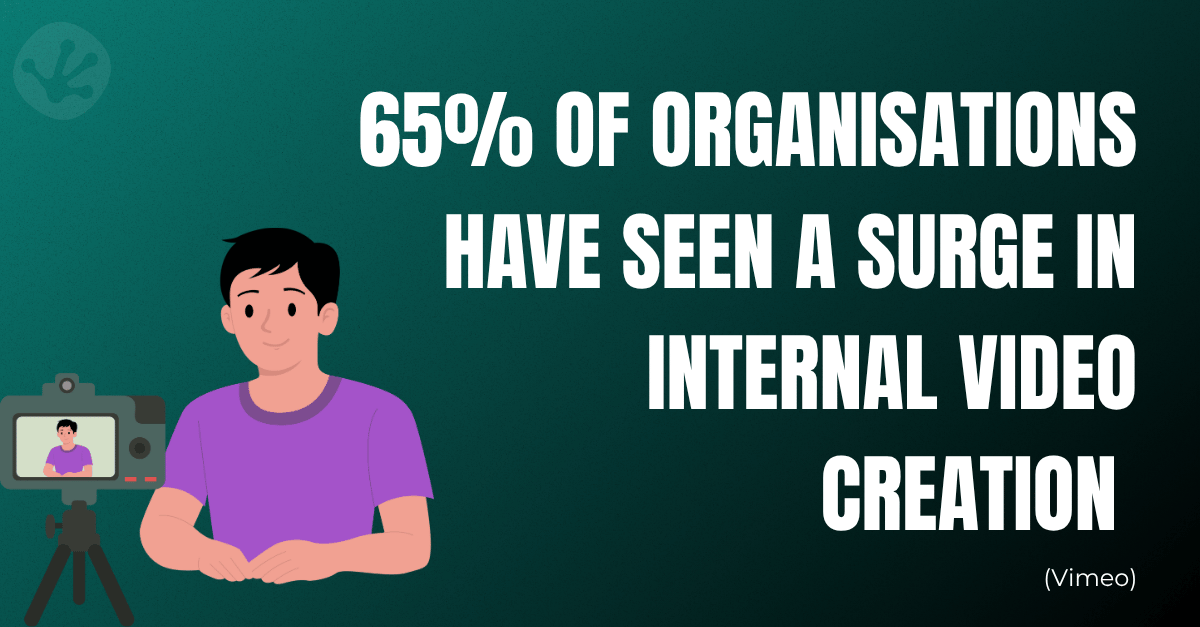
INTERNAL VIDEO CONTENT IS BECOMING JUST AS IMPORTANT AS CLIENT-FACING CONTENT
While much of the discussion around video focuses on marketing and client acquisition, many financial firms are seeing equally significant benefits internally.
As organisations grow, maintaining consistency across multiple teams, offices, and departments becomes increasingly challenging. This is particularly true within financial services, where regulatory compliance, technical expertise, and consistent client communication are essential.
Video is helping firms address many of these challenges.
Training programmes that were once delivered exclusively through face-to-face workshops are increasingly being recorded and stored within internal learning libraries. New advisers can access onboarding materials, investment methodologies, client service standards, and product knowledge whenever they need them.
Compliance teams are also using video to communicate regulatory changes in a more engaging and accessible format. Rather than expecting staff to digest lengthy policy documents, firms can explain updates through concise presentations that improve understanding and retention.
Leadership communication is another area where video is gaining traction. Senior management teams are using recorded updates to share company performance, strategic priorities, organisational changes, and business objectives with employees across multiple locations.
Perhaps most importantly, video helps preserve institutional knowledge.
When experienced advisers retire or move on, decades of expertise can disappear with them. By recording training sessions, presentations, and knowledge-sharing discussions, firms can create valuable resources that continue supporting future generations of employees.
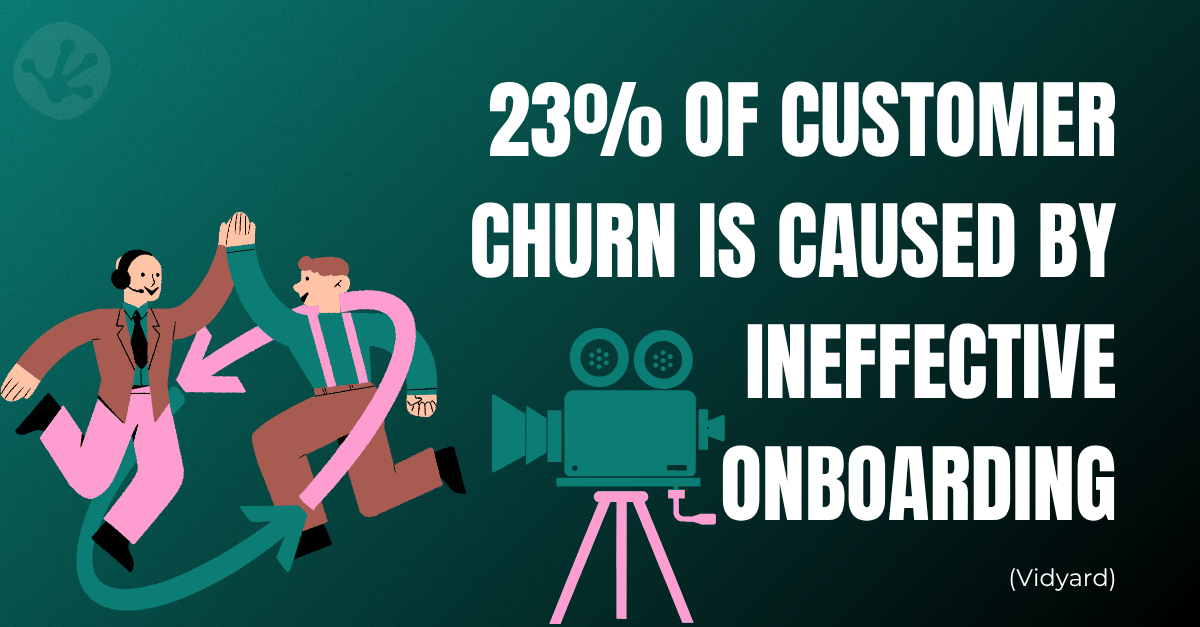
CLIENT ONBOARDING IS BECOMING MORE PERSONAL THROUGH VIDEO
For many clients, the onboarding process can be one of the most intimidating stages of engaging with a financial services firm.
New clients are often presented with documentation, compliance requirements, platform access details, risk assessments, and various administrative processes that can feel unfamiliar and overwhelming.
Forward-thinking firms are increasingly using video to make this experience more personal and easier to navigate.
Welcome videos are becoming increasingly common, allowing advisers to introduce themselves, explain what clients can expect, and outline the next steps in the relationship. Process walkthrough videos are helping clients understand everything from account setup procedures to ongoing review schedules.
Some firms are even creating personalised videos for new clients, providing a more human introduction to what can otherwise feel like a highly administrative process.
The value of this approach extends beyond convenience.
Video helps reduce uncertainty. It provides reassurance. And it creates a stronger sense of connection from the very beginning of the relationship.
In an industry built on trust, those early interactions can have a lasting impact on client satisfaction and retention.
THE MOST SUCCESSFUL FINANCIAL FIRMS ARE USING VIDEO ACROSS THE ENTIRE BUSINESS
The most interesting development within financial services isn't simply that firms are producing more video content.
It's that video is no longer confined to a single department.
Marketing teams are using it to attract new prospects. Investment teams are using it to explain market conditions. Advisers are using it to educate clients. Leadership teams are using it to communicate internally. Compliance teams are using it to improve understanding of regulatory requirements. Human resources departments are using it to support recruitment and onboarding.
The firms leading the way in 2026 recognise that effective communication sits at the heart of financial services. Clients want clarity. Employees want consistency. Prospects want expertise they can trust.
Video allows firms to deliver all three.
As client expectations continue to evolve and competition within the sector increases, the ability to communicate complex information clearly and authentically is becoming an increasingly important differentiator.
And for many wealth managers, financial advisers, and investment firms, video content is proving to be one of the most effective ways to achieve exactly that.

THINKING ABOUT VIDEO CONTENT FOR YOUR FINANCIAL SERVICES BUSINESS?
Whether you're looking to provide more engaging market updates, educate prospective clients, strengthen your thought leadership, improve onboarding, or enhance internal communication, video can support every stage of the client journey.
At Treefrog, we help financial services businesses create professional video content that communicates expertise, builds trust, and delivers long-term value.
Because in an industry where communication matters, showing your expertise can often be more powerful than simply talking about it.